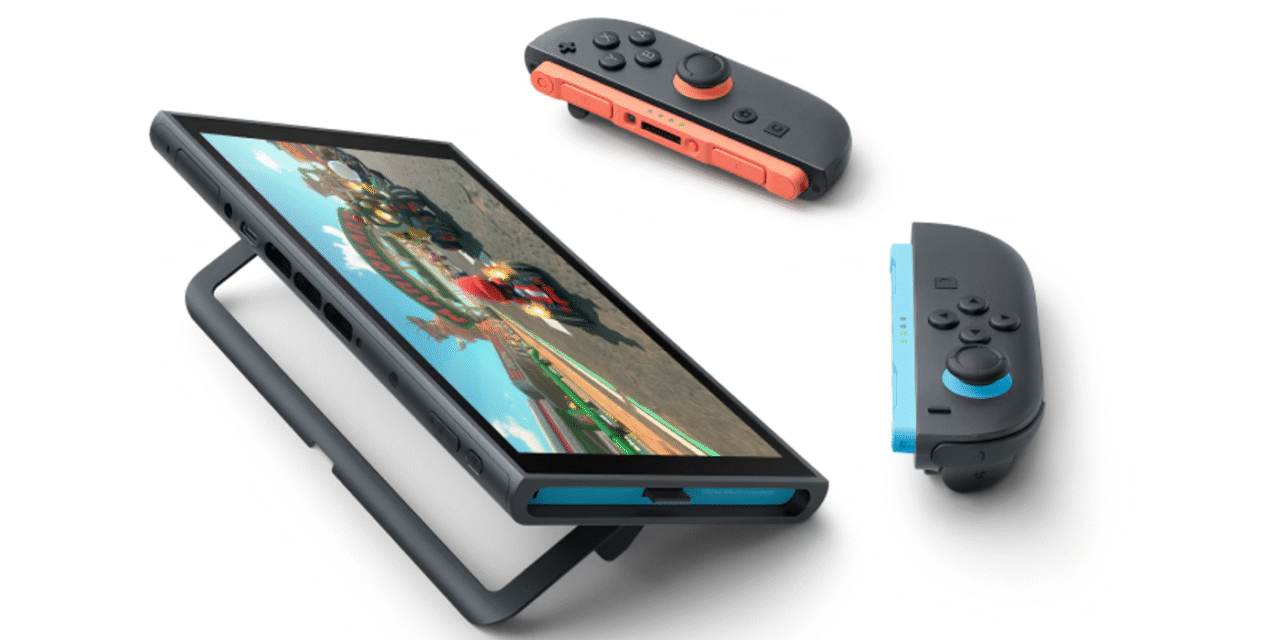
Nintendo has reportedly asked suppliers to raise the Switch 2 production 25 million target by the end of March 2026. The move signals confidence in demand after a fast start and suggests a very different launch-year playbook than the constrained rollouts we saw in the last console cycle. For players, the headline is simple: more stock on shelves and fewer lottery-style preorders.
What’s actually changing
The production guidance shifts from a conservative first-year posture to an aggressive supply plan that aims to capture demand rather than chase it. By front-loading hardware, Nintendo reduces early scalping pressure and keeps retail prices stable. It also gives third-party publishers a stronger install-base forecast for 2026, which helps greenlight ports and new projects earlier in the cycle.
Why the “Switch 2 production 25 million” target matters
Hitting that number would put Switch 2 on track for record launch-year availability, with knock-on effects across the industry. Retailers can plan regular restocks instead of one-off drops. Accessory makers scale up sooner. Most importantly, game marketing can align with real inventory; when players can actually buy the console, trailer beats convert to sales instead of frustration.
What this means for software cadence
A broader first-year install base lets Nintendo stagger tentpoles across the calendar instead of bunching them into the holidays. Expect a mix of launch-window crowd-pleasers and mid-year anchors that keep momentum high. Third-party scheduling becomes easier too: with reliable stock, publishers can slot Switch 2 versions alongside PC/PlayStation/Xbox instead of delaying for supply reasons.
Risks and what could go wrong
Aggressive targets carry operational risk. Component constraints or yield issues can slow assembly, and logistics hiccups can bottleneck certain regions. Demand forecasting can also misread the curve; if software slips or economic conditions soften, retailers could see inventory pockets between tentpoles. Finally, higher output raises pressure on quality control and warranty throughput during the busiest months.
How this affects price, bundles, and older hardware
A confident supply picture reduces the incentive for markups and keeps MSRP steady. It also opens space for early bundles that add value without discounting the base console. As Switch 2 fills shelves, expect the original Switch family to slide into entry-price roles or targeted promos, especially around family-friendly titles.
What to watch next
Keep an eye on three signals over the next quarter:
-
Supplier chatter (panels, storage, controllers) that confirms sustained throughput.
-
Launch-window sell-through and restock cadence at major retailers.
-
Software calendar updates from Nintendo and key partners that lock in the first half of 2026.
Bottom line
If Nintendo sustains a Switch 2 production 25 million plan through March 2026, the next 12 months will look unlike the scarcity era: stronger launch-year availability, steadier game cadence, and fewer excuses for missed multiplatform releases. The only question is execution—can suppliers, logistics, and software all keep pace with the ambition?