One year into the AI-induced RAM apocalypse — how much does memory actually cost, and is there hope for a more affordable future?
On the eve of August, 2026, the DIY PC building market looks bleaker than ever. Over the last 12 months, enthusiasts have endured spiralling prices on DDR4 and DDR5, as well as hard drives and SSDs, driven by shortages induced by massive AI buildouts. But just how bad is the RAM market in 2026, and is it at all possible to buy cheap RAM these days? The short answers are “bad” and “not really, no.” In this brief 2026 ‘State of the Union’ on the RAM market, we observe just how much prices have changed in the last 12 months, and examine whether there really is any hope for PC builders at all.
It was around July last year that the alarm bells really started ringing when it came to RAM pricing, with TrendForce warning of 45% increases in the second half of the year. Until then, both RAM and SSDs had been something of an afterthought when it came to PC building. Not that those components weren’t important, but rather that you knew you could always find a cheap 32GB DDR5 kit and a decent SSD for whichever build you were planning. The tough decisions were choosing between AMD and Intel’s respective platforms, and trying to find a decent graphics card.
So what has happened since?
What a difference a year makes
To see the impact of the AI crunch on RAM pricing, I had a bit of a dig through the Tom’s Hardware archives, but I should warn you: It’s not pleasant reading. This time last year, we had just come through the throes of Amazon’s 2025 Prime Day event, held in July as opposed to this year’s June offering. As is customary, we offered our thoughts on a great PC build using Prime Day discount parts featuring a Crucial Pro 32GB DDR5 6000 memory kit, reduced from $119 to just $90. One year later, that very same kit now costs $459. That’s if you can even buy one, of course, as there was only one left in stock when I wrote this. Oh, also, Crucial no longer exists. Feeding the AI machine is proving so lucrative that Micron literally wound up its consumer memory and SSD offering so that it could put all of its efforts into HBM and enterprise.
The story is similar wherever you look. Our pick for the best RAM for gaming in 2026 remains G.Skill’s Trident Z5 Neo RGB DDR5-6000. When we reviewed this kit back in 2023, we bemoaned that users were paying the early adopter DDR5 tax. The price? A paltry $179. You now can’t buy 32GB of DDR5 for less than $379. G.SKill’s kit subsequently sank in price to an even $100; in August 2026 it’ll cost you $599.99. I guess you could call that a late adopter tax.
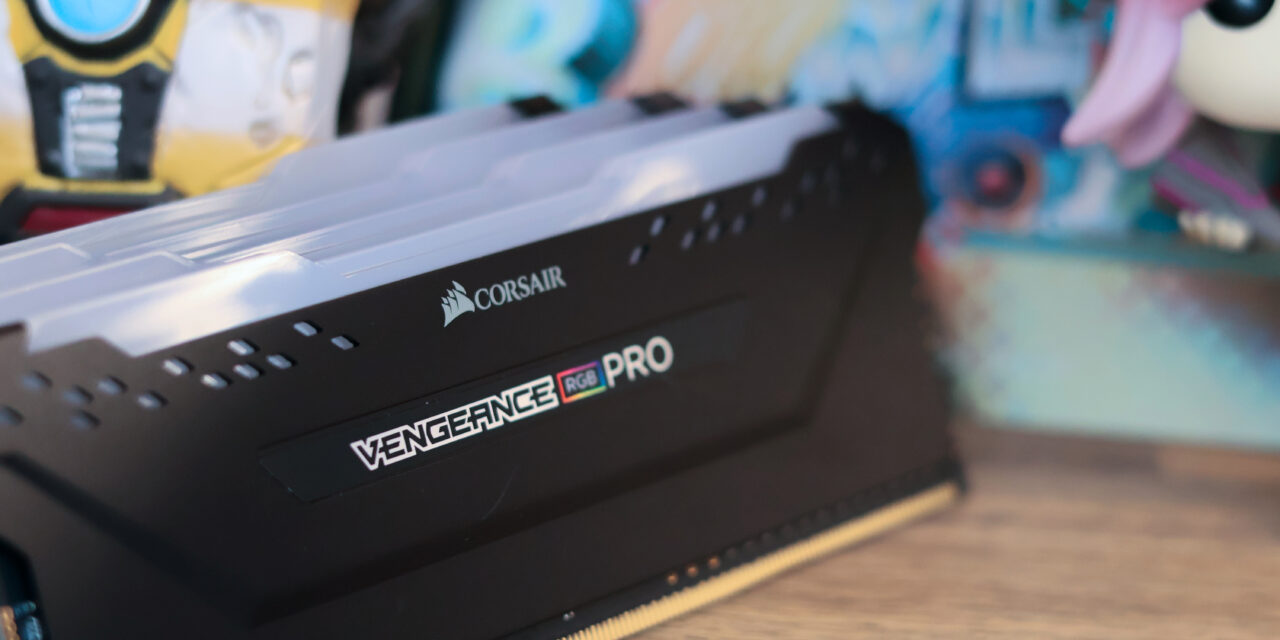
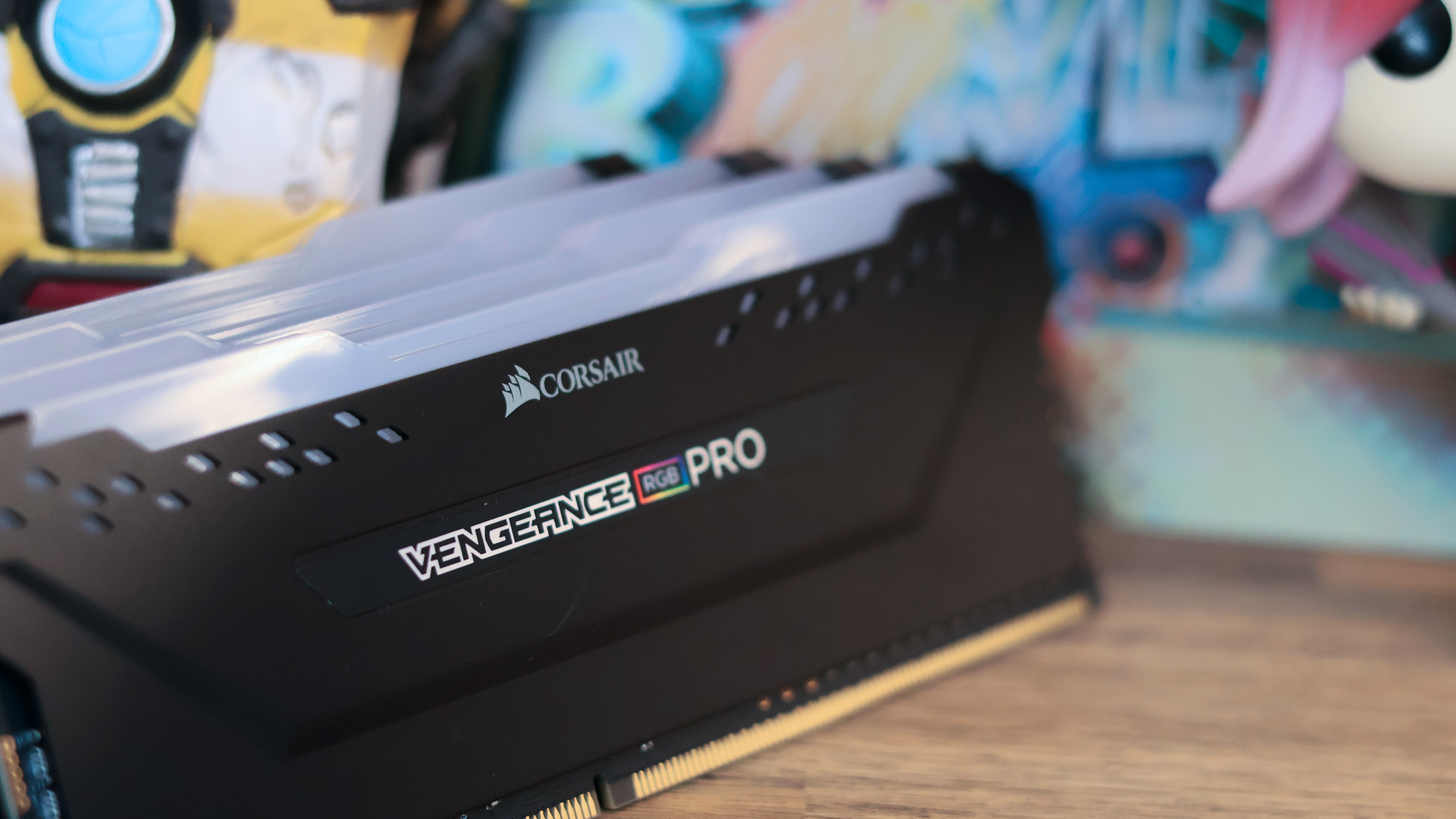
Even 16GB of DDR5 6000 will set you back more than $200 these days, which is double the price for half the capacity you could buy a year ago. Large kits, like Corsair’s Vengeance 192GB (4x48GB) offering, now cost upwards of $2,600, more than most pre-built PCs.
The death of Crucial
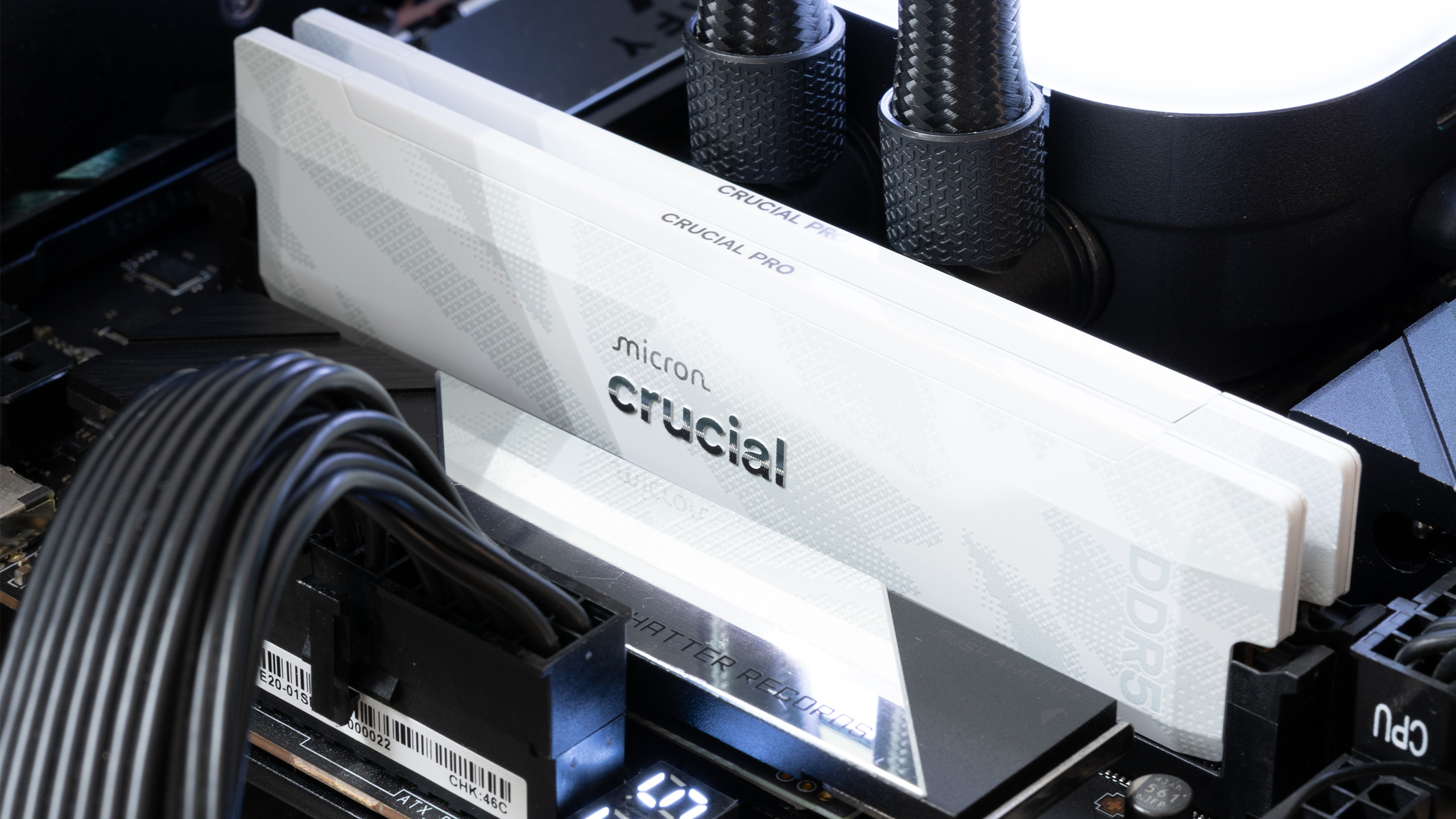
As mentioned, one of the most pertinent death knells of the RAM market in the last 12 months was the end of Crucial. In December, Micron announced that it was winding up its entire consumer offering, reallocating all of its resources to enterprise DRAM and SSDs. Crucial products have slowly died off since, and the very few kits and drives that remain are extremely expensive to buy. The company is continuing to honor warranty and technical support obligations, at least, but that will be of little comfort to PC builders left out in the cold. “Micron has made the difficult decision to exit the Crucial consumer business in order to improve supply and support for our larger, strategic customers in faster-growing segments,” Micron admitted bluntly at the time.
The return of DDR4
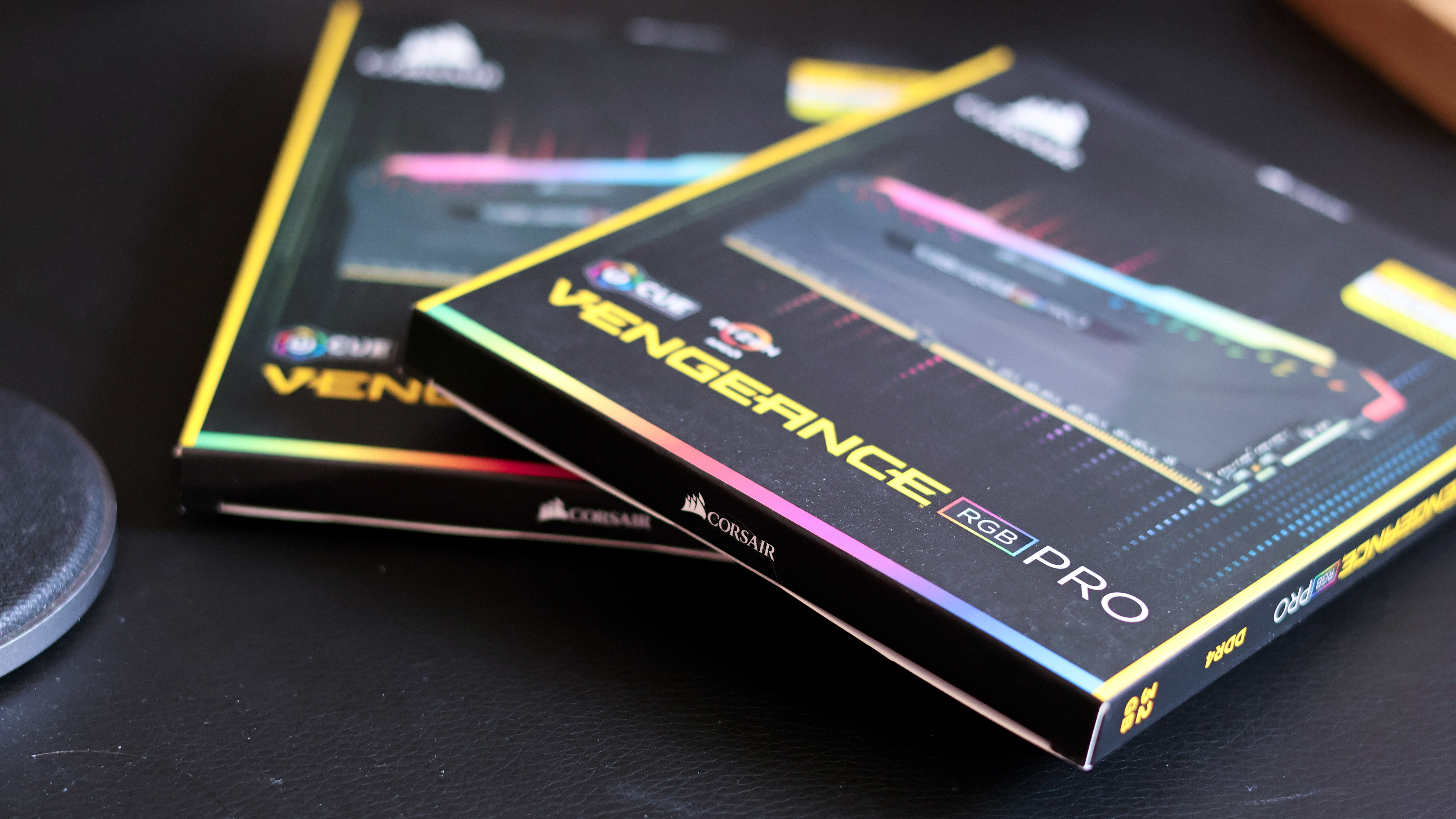
Not totally oblivious to the plight of gamers, a few vendors are at least trying to assuage gamers and the DIY market, notably with the return of DDR4. Admittedly, this isn’t super comforting — I can’t imagine many console gamers would be thrilled about Sony solving PlayStation 5 shortages by bringing back the PS4 — but the gulf between DDR4 and DDR5 isn’t so bad that it’s not a viable option for some in 2026. We’ve heard rumblings that Intel is preparing a surprise Raptor Lake Next return for 2027, and AMD recently rolled out its 10th anniversary edition of its 5800X3D gaming CPU. Still, the best gaming CPU for DDR4 that money can buy still costs $350, and the gulf between DDR4 and DDR5 is widening, in our testing. As our resident CPU analyst Jake Roach noted at the time, buying a Ryzen 5 7600X3D and 16GB of DDR5-6000 is only $80 more expensive than buying a DDR4-based 5800X3D.
The problem lies therein: DDR4 memory prices have also skyrocketed. A 32GB Corsair Vengeance DDR4 3200 kit from 2019 would have set you back 48 bucks last year. Now, you’ll be lucky to find it on sale for $200.
Prebuilt your way out of this mess
Pre-built PCs from OEM vendors like HP, as well as bespoke offerings from CyberPower and the like, are not immune to rising prices, nor are gaming laptops. To return to our one-year flashback, an Intel Core 7 Alienware Aurora 16 we recommended to users at $1,099 during July 2025 will now set you back $1,999, and we’ve seen price increases on Alienware desktops of up to $2,000 in recent months. In fact, Maingear started offering “Bring Your Own RAM” builds late last year, rather than absorbing the cost of price rises.
With that being said, if you have given up hope of getting RAM and doing a DIY build in 2026, there are still pre-built gaming PCs on sale that get you a lot of PC for your money. Perhaps more money than you might have paid last year, but in reality it’s a simple math problem. RAM prices have risen by 400, 500, or even 600% in some cases in recent months, while PC builds as a whole have increased, but not by nearly as much. When you factor in the increased cost of SSDs and GPUs, pre-builts in 2026 tend to represent much better value than they generally would have a year ago.
If you’re set on buying RAM?
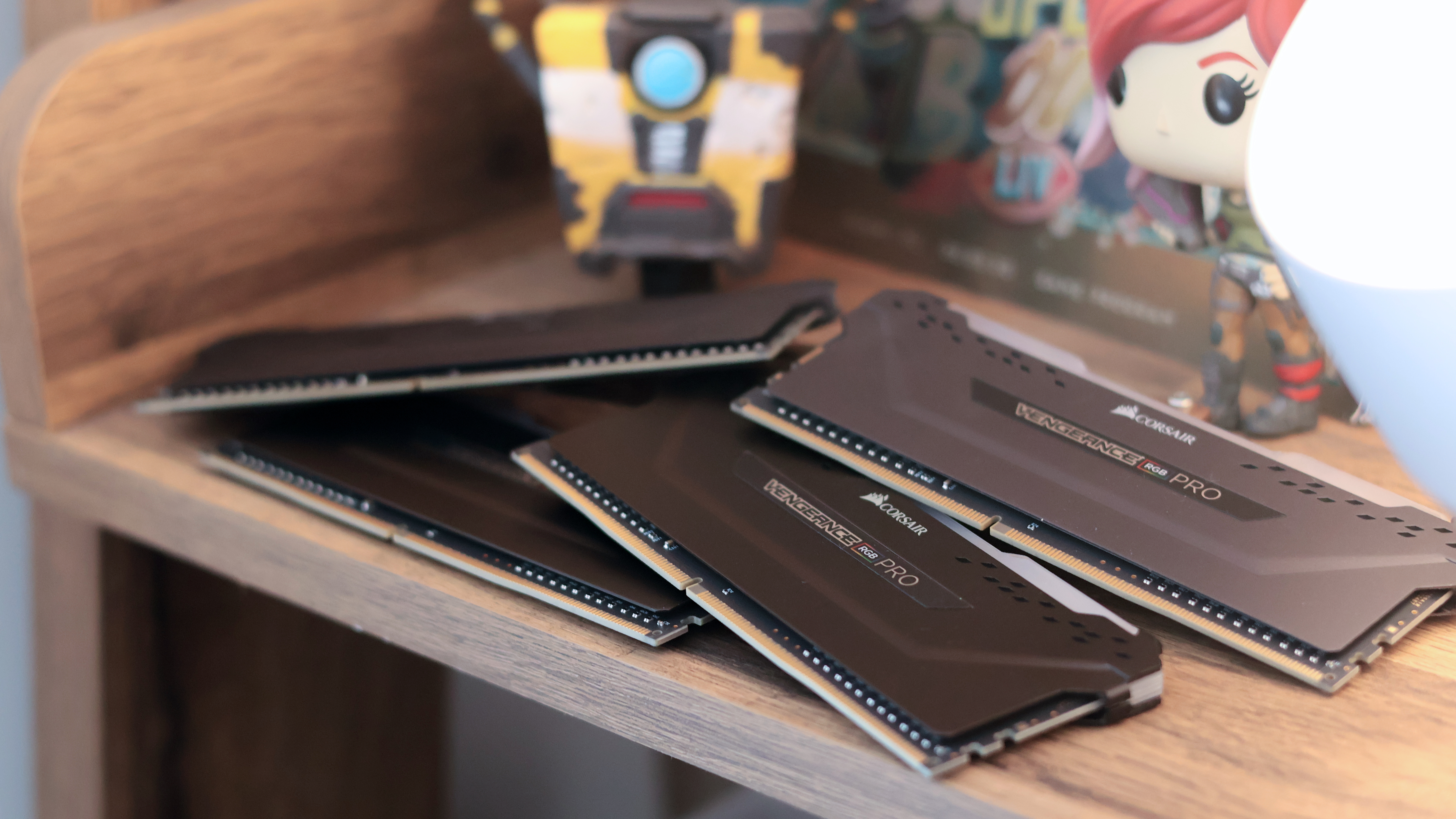
If you are set on building a PC right now and buying RAM to put inside it, what’s the state of play? The going rate for 16GB of DDR5 RAM is $209, the lowest amount of money you can expect to pay for a 16GB kit. For 32GB, the going rate is $379. Per GB, 32GB remains better value, at around $12 rather than $13. 64GB of DDR5 from Corsair is $699, ironically the best price per GB, but ludicrously expensive.
We’ve been touting Newegg RAM bundles at Tom’s Hardware for months, and they remain a stalwart way to save at least something on RAM if you’re building a PC. Generally, you can expect to find a bundle that will get you the RAM for around $200 if you buy it alongside a motherboard and a CPU. Remember, the value in a RAM bundle is pairing RAM with other parts, the prices of which are not inflated in the current market. With CPU, motherboard, and cooling prices holding steady or falling, buying components together gives you a clear picture of the actual value proposition. The RAM in this Newegg bundle, for instance, costs $236, thanks to the price of the 9800X3D and the X870E.
The future of the RAM market
Sadly, if you’re in the market for RAM, even at these exorbitant prices, we’re still firmly in the bite-the-bullet phase. Manufacturers like SK hynix are working to add capacity to their roster, and the advent of China’s CXMT could provide some relief. But industry figures warn that 2027 could actually be even worse for memory shortages than 2026. By extension, that presumably means pricing will also get worse. In truth, the best solution right now is probably not to buy RAM, but if you’re in desperate need, you’re going to have to pay high prices in some way, shape, or form.
Waiting it out is always an option if you can do so, but Adata’s chairman recently said you might be waiting a decade or more. The latter prognostication sounds a little extreme, but one year into the RAMapocalypse, more than a few indications point to things getting worse rather than better.