
RAMpocalyse pricing prompts maker to construct his own memory using ancient Apollo-era tech — USB drive resurrects hand-threaded magnetic core memory using salvaged Russian computer parts
While PC enthusiasts and DIYers gnash their teeth over the RAMpocalypse, the world’s makers and DIYers are busying themselves with alternative, DIY, and left-field solutions to the terrible component crunch. The latest to throw their hat in the DIY memory ring is polymatt with a video walkthrough showing how they made a USB drive with 64 bits of storage. Yes, bits, not even bytes, kilobytes, megabytes, and certainly not terabytes. Still, the video provides another look at the charms of ancient (in computing terms) Magnetic Core Memory.
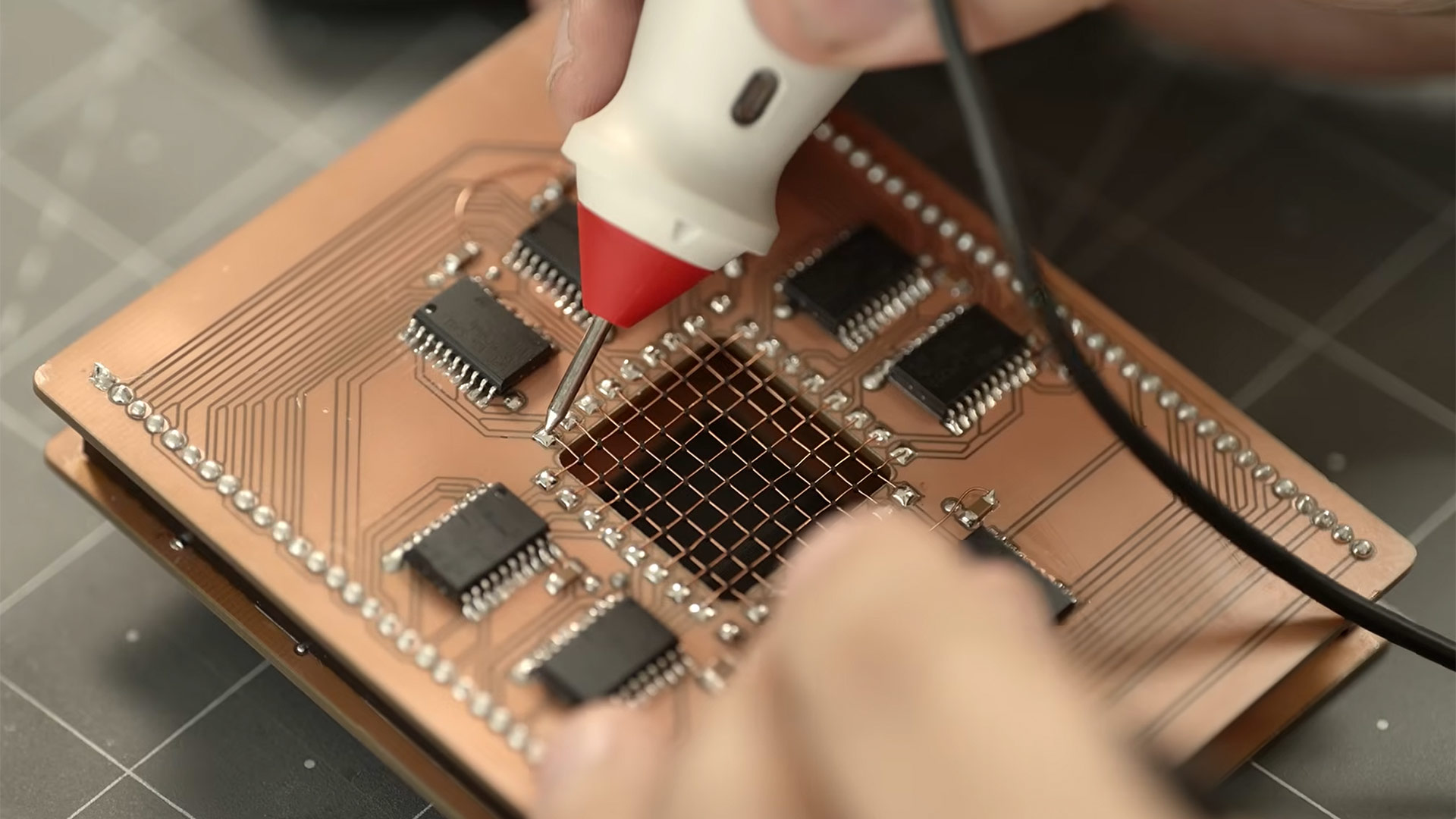
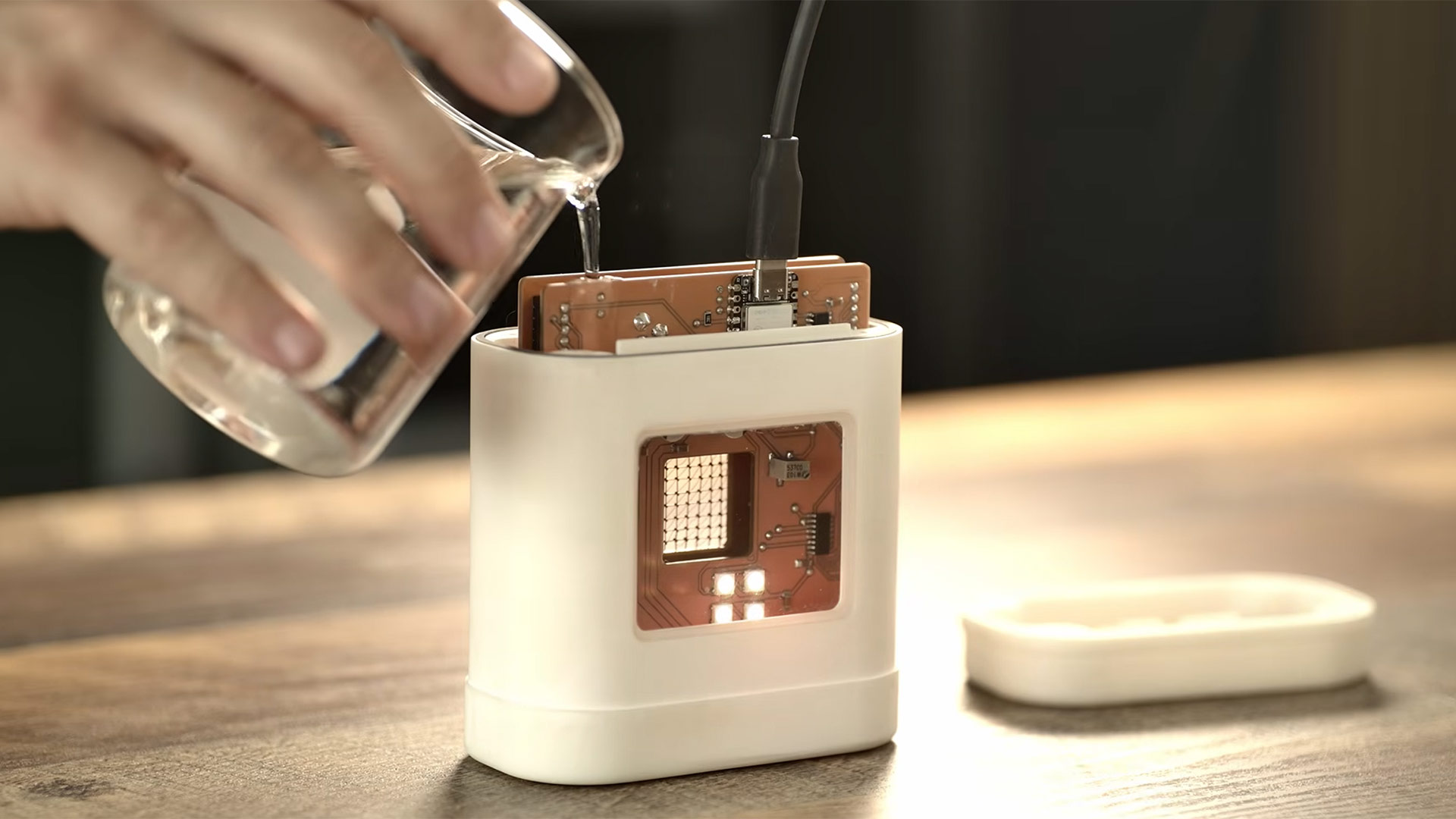
Polymatt sums up their finished USB memory device as a gizmo with “64 iron rings, hand threaded and immersed in silicon oil.” Each ring can store a single bit, providing 64 bits (8 bytes) of total storage capacity. Though this way of providing memory to computer systems seems incredibly archaic, it was good enough for the Apollo spacecraft guidance computers.
Polymatt got a key ingredient for this retro-modern memory stick project by salvaging an old Russian computer for its tiny magnetic rings. Then we see the TechTuber skillfully make each component of the finished magnetic core memory device by hand, by soldering iron, by CNC machine, and using a Bambu Lab A2L 3D printer.
While Polymatt humbly describes the device they made as the “world’s worst USB drive,” that’s only probably true if judged by its capacity-to-weight ratio. In aesthetic terms, it looks great on the desk. Moreover, what it might lack in memory density it makes up for (a bit) by offering persistent (unpowered) storage, and it can even shrug off radiation bursts that would fry most modern memory devices.
Check out the 20-minute video if you want to see every step in the maker process. In comparison to the far larger 128-byte magnetic core memory USB drive made by a Japanese tech enthusiast earlier in the year, Polymatt’s model is rather better finished. As the TechTuber admits, the silicone oil probably wasn’t necessary, but they basically liked the aesthetic. Fair enough. They were also pondering over installing an LED for each bit, but shelved that idea.
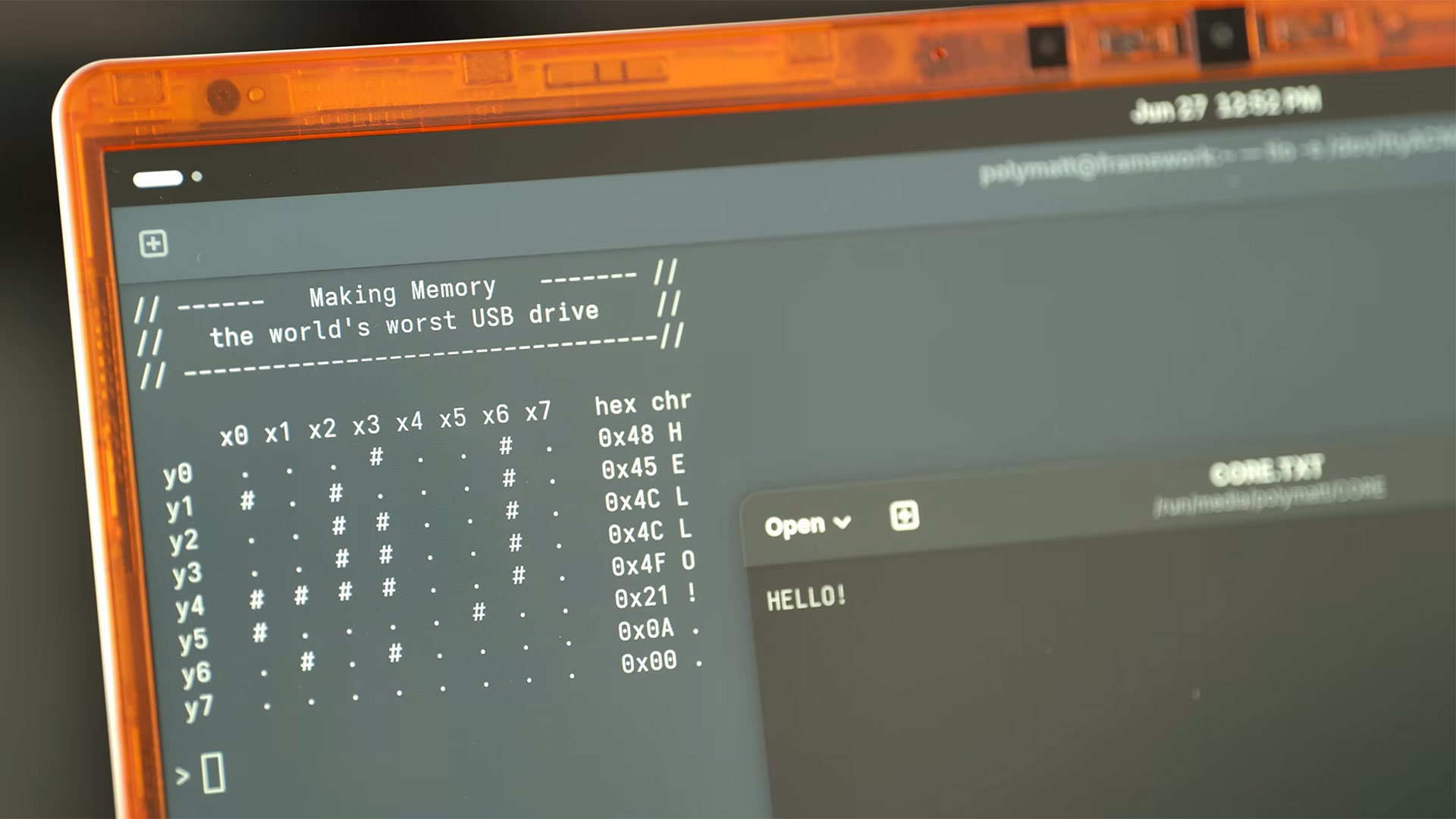
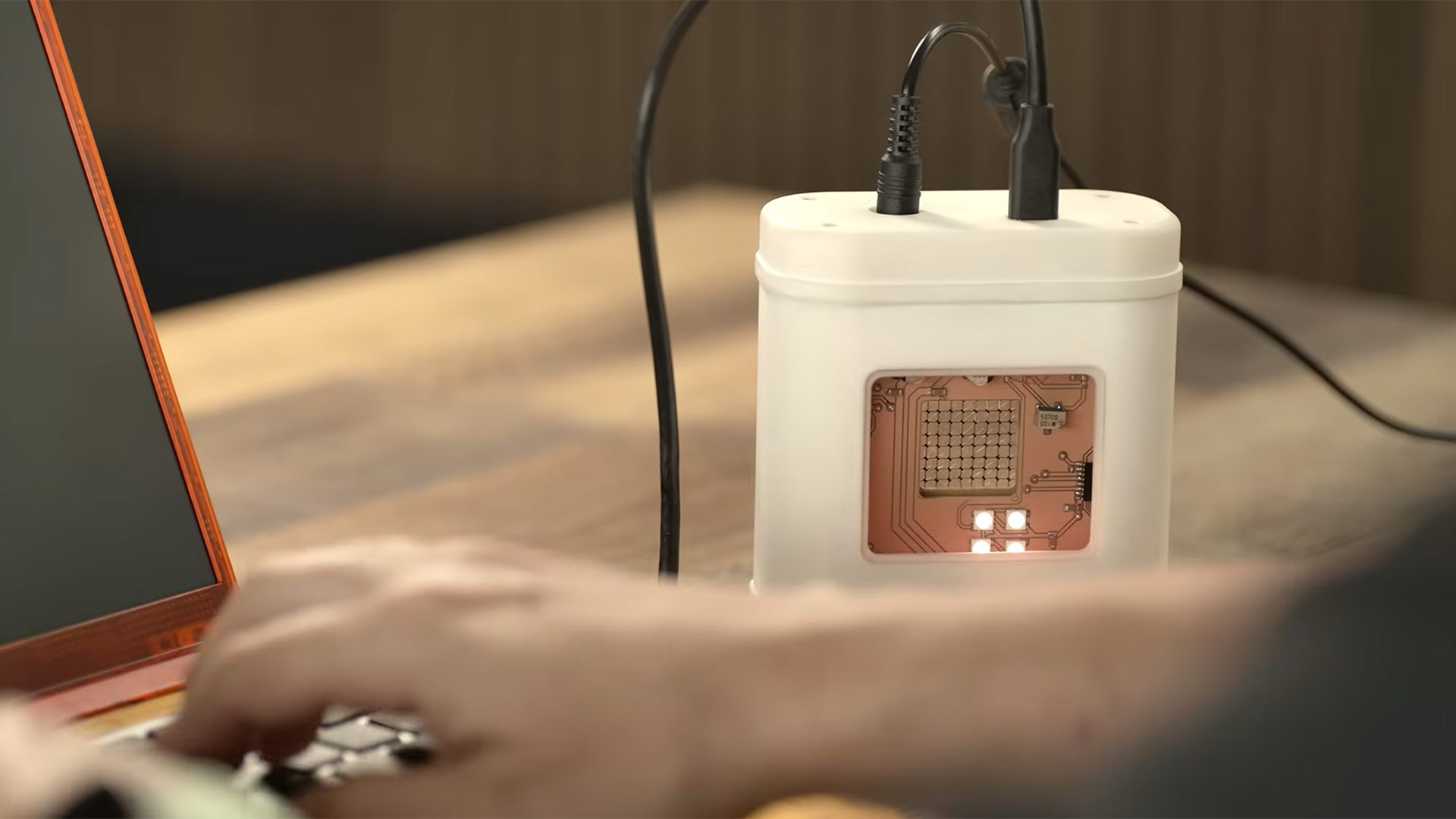
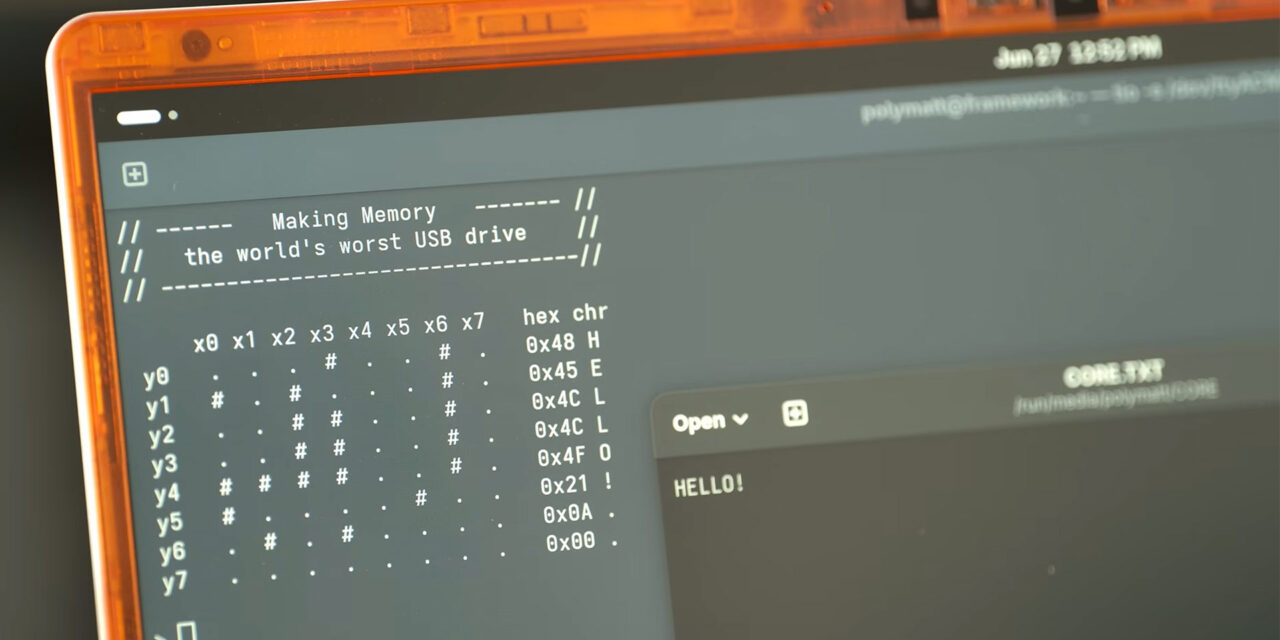
The last section of Polymatt’s video is devoted to testing the DIY memory device. Unlike the USB storage you may be familiar with, this drive doesn’t store your discrete computer data files. Rather, it lets you edit a single persistent file dubbed core.txt, stored on the magnetic core memory array. Polymatt also verified the non-powered persistence of this DIY memory device. Unplugging and plugging the power to this USB-connected device proved that it is indeed a non-volatile memory device.
In related homebrew memory news, we are still waiting for Dr. Semiconductor to follow up on his making RAM in a garden shed cleanroom video with the promised ‘PC scale’ sequel.