
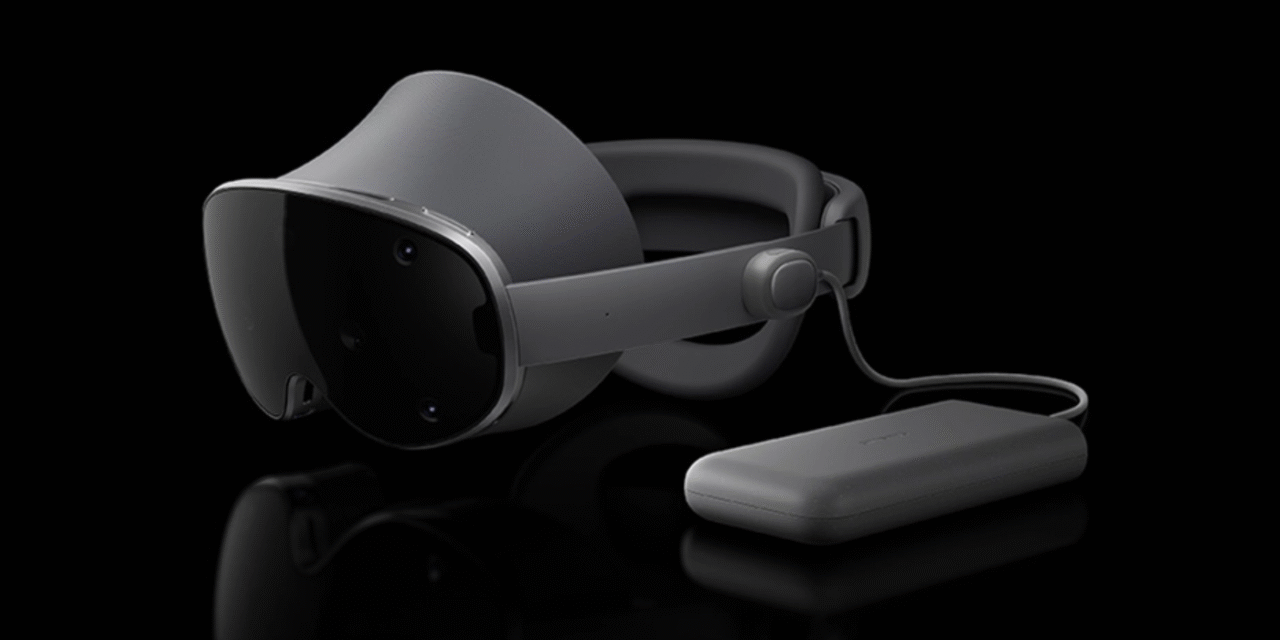
Samsung Galaxy XR is now official. The Android XR headset ships with Gemini for hands-free help, dual 4K micro-OLED panels, eye/hand tracking, and a Snapdragon XR2+ Gen 2 chip. In the U.S. and South Korea it’s priced at $1,799, while optional tracked controllers and a travel case are sold separately. This piece breaks down Samsung Galaxy XR price and availability, the software experience at launch, core hardware, and what European buyers should expect next.
What’s official today (price, regions, timing)
Samsung’s first Android XR headset is on sale now in the U.S. and South Korea at $1,799. The Galaxy XR Controllers are optional add-ons; at launch they’re listed at $249 (with a limited discount when bundled). Samsung’s U.S. store opened sales the night of the reveal; for European readers the window aligned with Oct 22, 04:00 CEST. Samsung has not announced an EU/UK release date yet, so buyers in Europe are watching for a second-wave rollout and euro pricing.
Android XR + Gemini: the headline experience
Galaxy XR is the first device running Android XR, Google’s new spatial operating system co-developed with Samsung and Qualcomm. The UI blends 2D Android apps and XR-native apps in a shared space, with Gemini offering real-time assistance: you can start Gemini Live and speak naturally while the assistant “sees” your workspace through passthrough and UI context. Early demos highlight YouTube in multi-view, Google Maps with immersive 3D, Google Photos spatial media, and Meet for virtual screens. The goal is less “VR demo” and more “spatial computer” you can use daily.
Hardware overview (panels, tracking, comfort)
Samsung’s spec sheet centers on dual micro-OLED panels delivering roughly 4K per eye, paired with 16GB RAM and 256GB of storage. Tracking is comprehensive—eye tracking, face tracking, hand tracking, and a depth sensor—so you can use hands-only or add controllers for XR games and pro apps. The headset uses a tethered battery pack that you clip or pocket; typical runtime is in the two-hour range (longer for video). Refresh-rate modes top out at up to 90 Hz, with 72 Hz the default. Field of view is wide enough for multiple floating windows without feeling cramped.
Controllers, accessories, and bundles
The Galaxy XR Controllers are separate purchases because many system tasks work fine with pure hand tracking. That said, games and precision apps feel best with tracked controllers (haptics + thumbsticks). Samsung also offers a hard travel case built to hold the headset and its battery. Launch promos may temporarily discount controllers when bought with the headset, and a digital Explorer Pack adds subscriptions for AI and media services—useful if you plan to lean into work-and-watch use cases on day one.
Apps at launch (and what’s coming)
Alongside Google’s XR-optimized apps, Samsung and partners are shipping a starter library of titles familiar to VR players (fitness, rhythm, co-op, survival). Because it’s Android, a large pool of 2D apps from Google Play can run in spatial windows, and popular tools like Virtual Desktop bring PCVR into the mix for high-end gaming and creative apps. For developers, Android XR means standard Android tooling with new spatial APIs, so expect a steady cadence of ports and native apps through the holidays.
How it stacks up (and who it’s for)
At half the Vision Pro price, Galaxy XR aims squarely at enthusiasts, creators, and pros who want spatial work + entertainment without Apple’s hardware lock-in. The trade-offs: a plastic, lightweight design versus Apple’s premium metals; an external battery instead of head-strap cells; and separate controllers. If you’re already in the Android or Windows ecosystem and want multi-window spatial work plus evening media, Galaxy XR is the first credible option with Google services baked in.
Europe outlook: what to watch next
For EU readers, the key questions are availability, euro pricing, and local app support (payments, streaming rights, language packs). Watch Samsung’s EU newsrooms for retail timing, and track Android XR developer updates—regional app catalogs tend to follow shortly after hardware launches. If you want day-one controllers, keep an eye on stock: early demand has already pushed accessories into back-order in some markets.
Bottom line
Samsung’s first Android XR headset arrives with Gemini, 4K-class micro-OLED, and a $1,799 price that undercuts Apple by a wide margin. For Europe, the story now is when it lands locally and how quickly the Android XR app ecosystem fills in. If Samsung nails availability and keeps accessories in stock, Galaxy XR sets a strong baseline for mainstream spatial computing outside Apple’s walled garden.