

Nvidia’s RTX Spark could be the future of laptops. That’s exactly why I’d wait
Nvidia is making CPUs now. Specifically, it’s making Arm-based processors with RTX branding, destined for at least some consumer-focused, high-performance laptops and mini PCs. It’s easily the biggest development in PC hardware this year…though that’s not saying a lot. And you’ll have to put a gun to my head if you want me to buy an RTX Spark laptop.
Not because of the hardware, at least not just because of the hardware. My primary personal laptop is an Asus Zenbook A14, a Snapdragon-powered Arm design, and I love it. So I’ve got no issues with Windows on Arm. Likewise, I’m not opposed to high-powered laptops, even though I’m very much a desktop guy. The problems I have with Nvidia’s RTX Spark laptops, at least at their debut, are a little more about general anxiety.
Welcome to the Boost Mode newsletter. Every week I share my insights on PC gaming, desktop setups, and hardware optimization. I also track down some of the most interesting PC and nerd news from around the web, plus a PC game pick you might not have seen elsewhere. Want this newsletter to come directly to your inbox? Sign up on our website!
First-gen tech is always a gamble
Don’t buy a car the first year it comes out. That’s advice you’ll get from a lot of car people in the know. Whenever a new design debuts, or gets a major refresh (like the “all new 2023 Honda Accord,” for example) there are new issues that will only crop up after a hundred thousand of them are on the road for months and months. Give it a while, let the engineers tweak it, and buy it one or two years later.
The same principle applies very handily to tech, or really any major purchase. That’s why I waited six generations to buy a folding phone, despite loving the concept almost immediately. And for laptops that will probably start around the $2000 USD (or even higher) level, I think it’s worth waiting a while to pull the trigger.

Dear Editor Brad: I promise this is relevant.
Honda
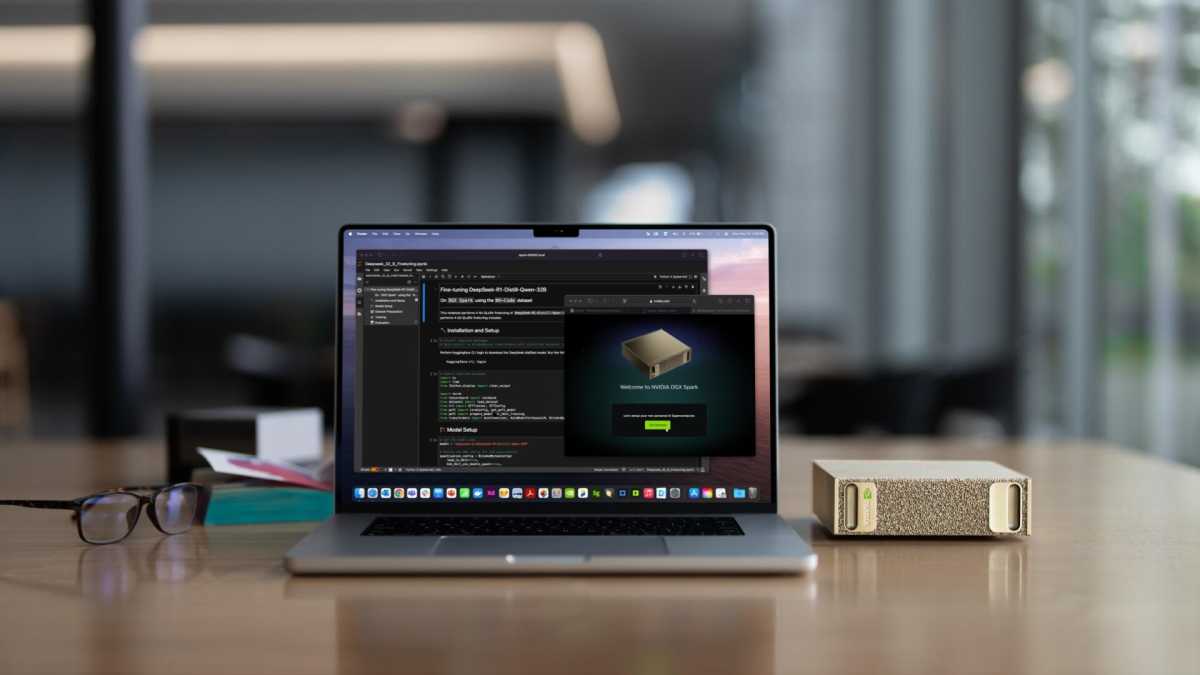
Now it’s possible that I’m being overly cautious. Nvidia does have experience with Arm chips, after all. Both its self-branded Shield devices and the Nintendo Switch series run on its relatively ancient Tegra mobile designs, and the Switch 2 uses a much newer one that’s shown very impressive performance. Nvidia Arm chips can be found in at least a few car head units and older Windows RT devices. And the original DGX Spark mini PC and a couple of similar AI-focused desktops have been available for the better part of a year, after years and years of development.
But the new crop of RTX Spark laptops will be the first time this generation of Nvidia Arm chips to power mass-market, consumer, portable devices, with the intent for them to be powerful premium laptops. That’s a lot of variables to start fresh on, even if you’re getting plenty of experience from the likes of Dell, Lenovo, HP, and Microsoft itself.
Nvidia
I did buy a first-gen Snapdragon Windows laptop…almost a year after it came out. But I wasn’t buying a $2000 primary machine. I bought a secondary ultralight laptop, deeply discounted (well, discounted by 2025 prices, god this year sucks), and fully aware of Snapdragon’s issues with gaming. Speaking of which…
I don’t trust Nvidia’s performance claims
Nvidia is always associated with PC gaming, at least when it comes to consumers. While RTX Spark laptops are being marketed as powerful for general users and “AI” tasks, Nvidia knows it’s got to woo gamers if it wants to make a case that these machines are just as good as those with Intel and AMD guts.
Nvidia says that the Spark N1X comes with a 20-core CPU, and a Blackwell GPU with 5144 cores. According to its early promotion, this integrated system is capable of gaming at 1440p levels and 100 frames per second. That’s good — but that’s very unspecific. 100 frames per second in Cyberpunk isn’t the same as 100 FPS in Overwatch. And put a huge asterisk on the end of that claim: “With RT & DLSS.”
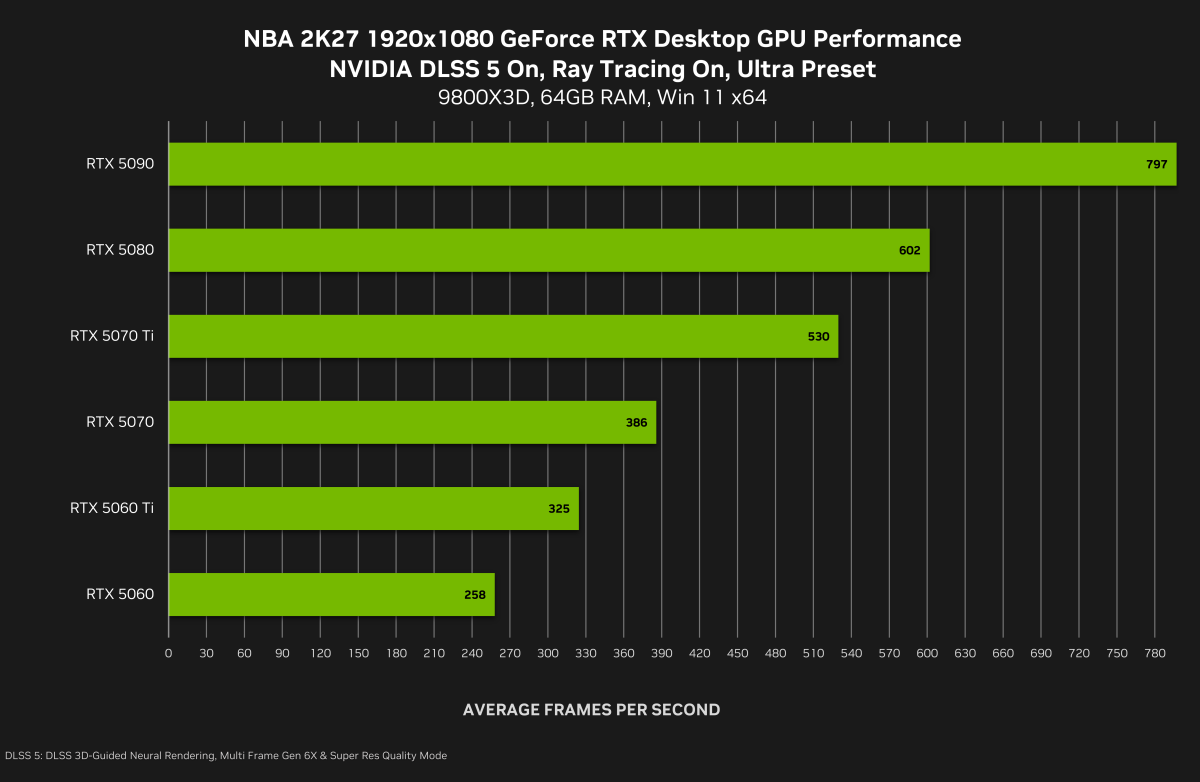
That promotional metric came out literally one day after Nvidia announced the controversial DLSS 5 running on NBA 2K27, and gave its performance numbers with 6x frame generation. So for all we know, that 100 FPS 1440p number means 17 rendered frames per second and massively upscaled. As great as frame generation is for boosting performance, it doesn’t work for every game and isn’t desirable in every scenario.
Nvidia
Skepticism in the face of performance claims is always healthy. But in the context of today’s Nvidia, I’d say they’re highly suspect until we see some real-world benchmarks from independent testers.
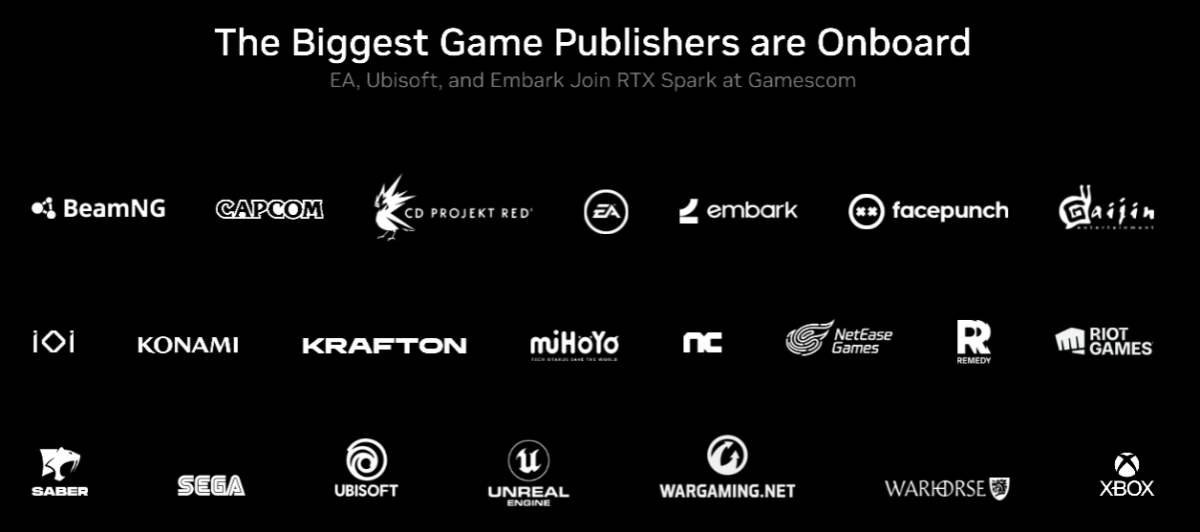
Nvidia isn’t the only part of this gaming equation. For any recent 3D game, performance on Arm is going to need developers to acclimate to the new system, at least at the start. Nvidia says that it’s working with the big names in the industry to make sure that games work on RTX Spark systems. EA, Ubisoft, Microsoft/Xbox, Sega, Konami, CD Projekt Red, and more than a dozen others have been called out specifically.
Nvidia
That’s encouraging. But Nvidia also has close ties with basically every big name in the gaming industry. All it takes to get that promotional nod — a single logo in a slideshow, at the time of writing — is an email. Again, the implication that big games from major publishers will work without problems on RTX Spark laptops, even “gaming” models, should not be taken at face value.
In fact, I question Nvidia’s commitment to RTX Spark as a platform, at least as far as consumer hardware is concerned — it may focus even further on AI in the future. Because I’m not convinced that Nvidia cares about gaming at all anymore.
Will RTX Spark laptops be around next year?
I apologize, but I’m gonna hit you with some finance talk. Nvidia reported 96.2 billion dollars in revenue in its last fiscal quarter. $89 billion of that came from data centers, up more than 100 percent year over year. $7.2 billion came from “edge computing,” of which consumer-focused graphics cards are only a portion, even though Nvidia has a monopoly on desktop graphics.
GPUs were mentioned in its press release exactly once, in the data center section for a cooperative effort with Apple. “Graphics” was not mentioned at all.
You need that context to understand that this next statement is not hyperbole. Nvidia could drop its entire gaming business right now and reallocate those resources into “AI” and other parts of the company. And it would make financial sense to do so.

Alaina Yee / Foundry
I hope it doesn’t. I don’t hate Nvidia for making hay while the sun shines — it did the same thing during the crypto boom, and it was pretty much the only company to emerge on the other side better. And I think that, at least for the moment, Nvidia is still investing in gaming and other sectors as a hedge against the “AI” bubble bursting. That’s smart.
But Nvidia doesn’t need to care about consumers at all. And consumer-focused Arm chips are a product of a previous incarnation of the company, back when it did need to expand into non-AI parts of the market to diversify. Chip development takes a long, long time, and it has a lot of corporate inertia behind it. Nvidia has spent billions of dollars making the Arm-based Spark platform, partnered with a lot of different companies to bring it to market.
A dozen laptops hitting store shelves might just be the end product of that inertia. I fear that anything less than phenomenal sales — the opposite of what Snapdragon laptops have seen — will give Nvidia a really good reason to back off.
Dell
And we’re talking about laptops with expensive, flagship chips, apparently a minimum of 24GB of RAM (shared between system and graphics), when memory is at 500 percent of its price. I would be shocked if a single model of RTX Spark laptop starts at under $2000 (heck, I’d be shocked if they’re under $3000 – Brad the editor), while the vast majority of consumers are bleeding money in a K-shaped economy. Expensive laptops are already a niche, but by the end of 2026, they’re starting to look like a sliver.
In short: RTX Spark laptops might disappear from those shelves in a year, or shift focus entirely towards AI applications. If you buy one in October, you might find yourself owning the equivalent of a Windows RT tablet in 2013. RTX Spark laptops could be the future. But I’d wait at least a couple of years before I put my money into one, the same way I would for a new model of car.
Cool stuff from around the web
- Rent your GPU for “AI”: If you’re not using your gaming PC for most of the day, maybe it could generate some money for you. (Hey, where have I heard this before?) One company wants to pay you to run LLM workloads on your local hardware. It’s possible it might buy a coffee every month or so.
- Simulate a hard drive defragmentation in your browser: Modern SSDs don’t need to be defragmented. But if you yearn for the days when new storage didn’t cost as much as a used car, you can run a simulated defragmentation process with this neat website.
- This retro game player is a PS2 controller sawed in half: Most retro game emulator gadgets try to look sleek and portable, but I gotta respect the Yoniq Portal for just…being a Dual Shock 2 controller, sawed in half with a screen in between. They’ve got a DS lookalike if that’s more your style.
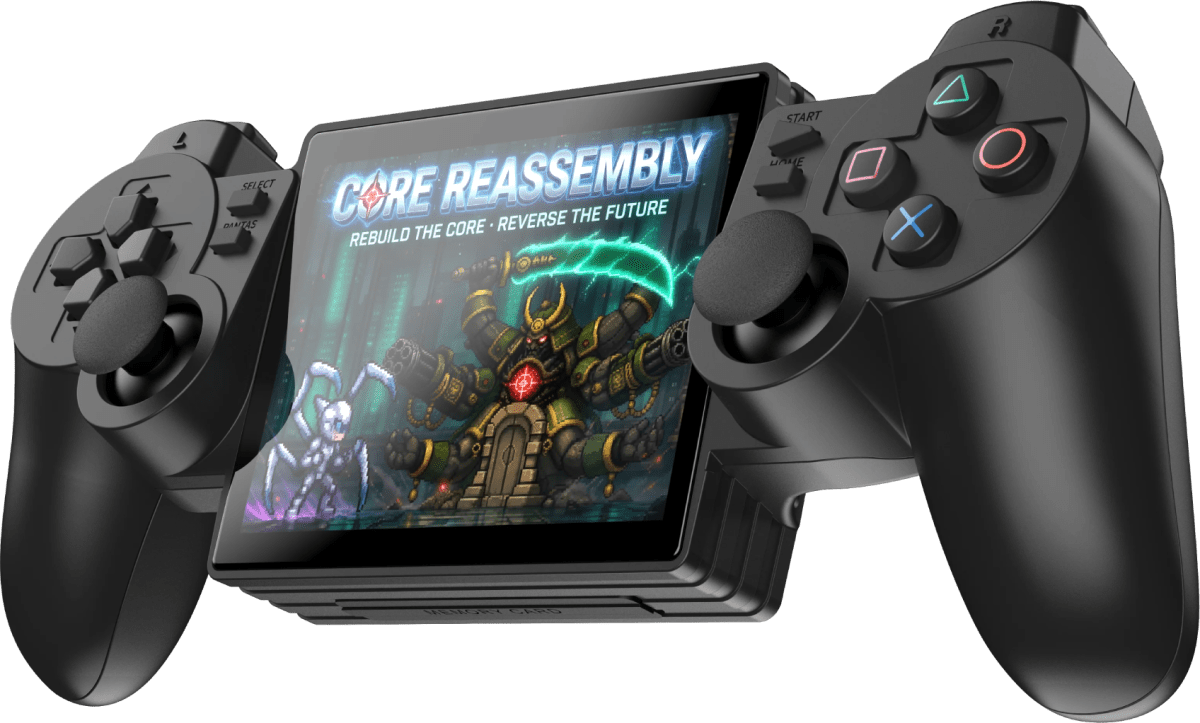
Yoniq
- DLSS 5 is coming to older Nvidia cards: If you can’t wait to get your hands on the yassified slop filter… well, you’ll probably still have to wait. But eventually it might come to the RTX 40-series and older.
- Check out this flight sim controller: Flight simulators such as, um, Microsoft Flight Simulator can be played with regular controllers, but work best with a full simulated yoke, throttle, and various other goodies. This $150 controller splits the difference.
Game pick of the week: Anger Foot
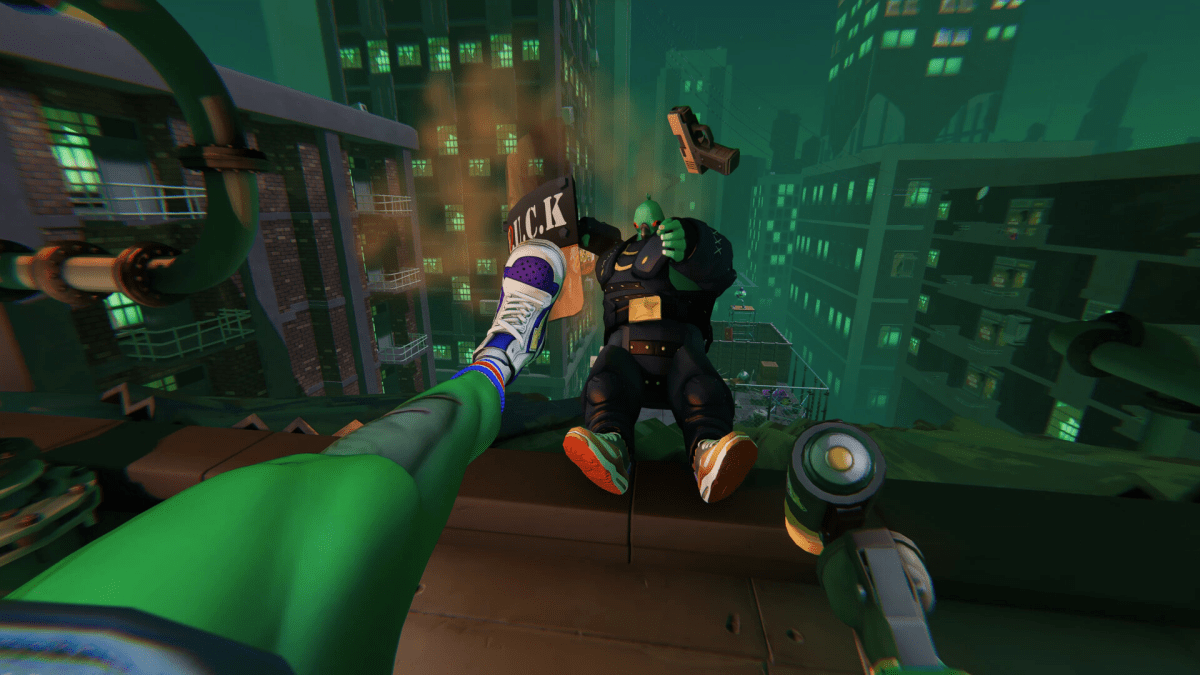
Free Lives
Imagine the breathless, fight-die-repeat shooting cycle of Hotline Miami. Now imagine it in first-person 3D instead of top-down 2D. With me so far? Okay, now imagine that gritty, over-the-top neon noir crime world is entirely populated by Sesame Street puppets. Oh, and your righteous quest is to get your shoes back.
That’s Anger Foot, a game about zooming super fast through goofy environments and kicking people in the head. Also you can shoot them or blow them up, but honestly, it’s mostly kicking. The speedy, twitchy gameplay means you’ll probably die half a dozen times on a three-minute-long run, but the instant restart gets you right back into the action to refine your approach.
Humor is definitely on the tasteless side, so if you aren’t digging the grungy art style, this game definitely isn’t for you. But I had a blast going through it to try out the twitchiness of several gaming mice.
Anger Foot is $20 on Steam, and there’s a free demo. It’s also available on PS5.
That’s all for this week. To get my editorials, news picks, and game recommendations delivered straight to your inbox, you can sign up for Boost Mode on the PCWorld Newsletter hub. Also check out The Full Nerd for more enthusiast-focused goodies, Prompt Mode for AI tips, Safe Mode to keep your PC and gadgets secure, and Smart Mode to boost your productivity.